Fasting insulin is one of the most important blood markers for cancer survivors — and most oncologists never test it. While your glucose may look perfectly normal, your insulin could be quietly elevated, creating a metabolic environment that feeds cancer cell growth. The good news: it's a simple blood test, and when caught early, elevated fasting insulin is completely reversible without medication.
Here's exactly why this test matters, what the science connects it to, and the practical number I guide my patients toward after cancer.
Why "Normal" Lab Results Can Still Miss Something Critical
You do everything right. Every follow-up appointment, every scan, every blood draw. Your oncologist says things look fine. And for most standard markers, they probably do.
But here's the blind spot: the "normal ranges" printed on your lab report represent population averages. They're designed to flag disease — diabetes, organ failure, acute problems. They're not calibrated for cancer survivorship. They're not looking at what's optimal for someone whose body has been through treatment and who needs to minimize recurrence risk.
This gap is one of the biggest quiet failures in follow-up care today. And fasting insulin sits right in the middle of it.
You Know Your Blood Glucose. But Do You Know Your Fasting Insulin?
Most survivors can tell you their fasting glucose number. It's standard. It gets checked.
Fasting insulin almost never does.
And yet, insulin is the upstream signal. Glucose is what you see in the river. Insulin is what's happening at the dam. By the time glucose goes abnormal, insulin has often been elevated for years — silently reshaping your internal environment in ways that matter deeply after cancer.
One major breast cancer study followed women after diagnosis and found that those with fasting insulin above 9 µIU/mL had double the recurrence risk compared to women below 4.5. The standard lab "normal" range? It goes all the way up to 29. That means a person could sit at 20 — three times the level associated with increased risk — and never be flagged.
This pattern shows up across breast, colorectal, prostate, endometrial, and other solid tumors. It's not a single-cancer issue. It's a metabolic one.
Insulin Has Two Personalities — And Only One of Them Is Talked About
Most people think of insulin as the blood sugar hormone. That's accurate, but it's only half the picture.
Personality #1: The Key
Insulin opens your cells so glucose can move from the bloodstream inside — quickly, efficiently. This is essential. Without it, glucose accumulates in the blood and the devastating complications of uncontrolled diabetes follow.
Personality #2: The Growth Accelerator
This is the part that rarely comes up in a doctor's visit.
When insulin stays elevated — especially in the fasting state, when it should be quiet — it acts as a powerful growth signal. And it doesn't work alone. High insulin recruits another hormone into the picture: IGF-1 (Insulin-Like Growth Factor-1), which is even more potent at telling cells to multiply.
Together, insulin and IGF-1 function like amplifiers. For healthy tissue, this is manageable. But for any microscopic tumor that may already be forming silently — and after cancer, this is the scenario we need to think about — it's a lifeline.
Cancer cells are actually quite limited in the fuels they can use. Glucose is one of the few they depend on. Some tumors adapt by increasing the number of insulin receptors on their surface, pulling in more fuel and receiving stronger growth signals than the normal cells around them. IGF-1 receptors are widespread across many tumor types, which is why this mechanism isn't limited to one kind of cancer.
What Happens When Insulin Stays High
When fasting insulin remains chronically elevated, several things shift simultaneously:
- Cell division accelerates. Growth signals stay on.
- Damaged cells survive when they shouldn't. The normal cleanup process — apoptosis — gets suppressed.
- Chronic inflammation increases. This creates a tissue environment where tumors are more likely to establish themselves.
- Immune surveillance weakens. The immune system becomes less effective at identifying and eliminating abnormal cells.
In short, high insulin creates an internal environment where cancer cells feel comfortable.
And there's a flip side to this that matters just as much. The hormones responsible for cellular repair, DNA damage correction, immune memory, and deep restoration — they work best when insulin is low. Particularly during deep sleep, the body's repair systems activate most effectively in a low-insulin state. As long as the "growth party" keeps running, these protective processes never get their full window.
Why There's No Single Universal "Perfect" Number
If insulin is this important, why isn't there a clear cutoff printed on every lab report?
Because the research landscape is genuinely complicated. Studies measure insulin differently — some report total insulin, others use resistance scores like HOMA-IR that combine insulin with fasting glucose, others use ranges rather than thresholds. Different cancer types, treatments, ages, lifestyles, genetics, inflammation levels, and sleep quality all influence what a given insulin number means for a given person.
The same fasting insulin of 12 can carry different implications for a 35-year-old breast cancer survivor versus a 65-year-old colorectal cancer survivor with metabolic syndrome.
That's why there isn't one official cancer-prevention cutoff. But that doesn't mean we're guessing.
The Practical Number I Use With My Patients
Here's the approach I take in my clinic, based on the best available data:
Fasting insulin should be as low as possible. Below 9 µIU/mL is a meaningful threshold — and lower is better.
But — and this is important — even if your number is above that, the goal isn't perfection. It's direction.
Lowering fasting insulin by even a few points shifts the metabolic environment. The same lifestyle changes that produce that reduction — better sleep, consistent movement, stress management, more vegetables and healthy fats, less processed food — are independently proven to lower recurrence risk. Your body senses the shift before the lab numbers catch up.
In my clinic, I've watched fasting insulin drop by more than 50% in two months. No medication. Just focused, consistent changes to sleep, food, movement, light exposure, and stress. Again and again.
The Population-Level Problem — And Why It's Getting Worse
This isn't a niche concern. Large population surveys like NHANES (the US National Health and Nutrition Examination Survey) show a marked increase in insulin levels across the general population — across all age groups above 20. And these values tend to run even higher in cancer survivors, whose metabolic health is often disrupted by treatment, stress, reduced activity, and hormonal changes.
That means the baseline is shifting in the wrong direction. More people are walking around with elevated fasting insulin, completely unaware, because their glucose still looks "normal" and insulin was never checked.
What to Do at Your Next Doctor's Appointment
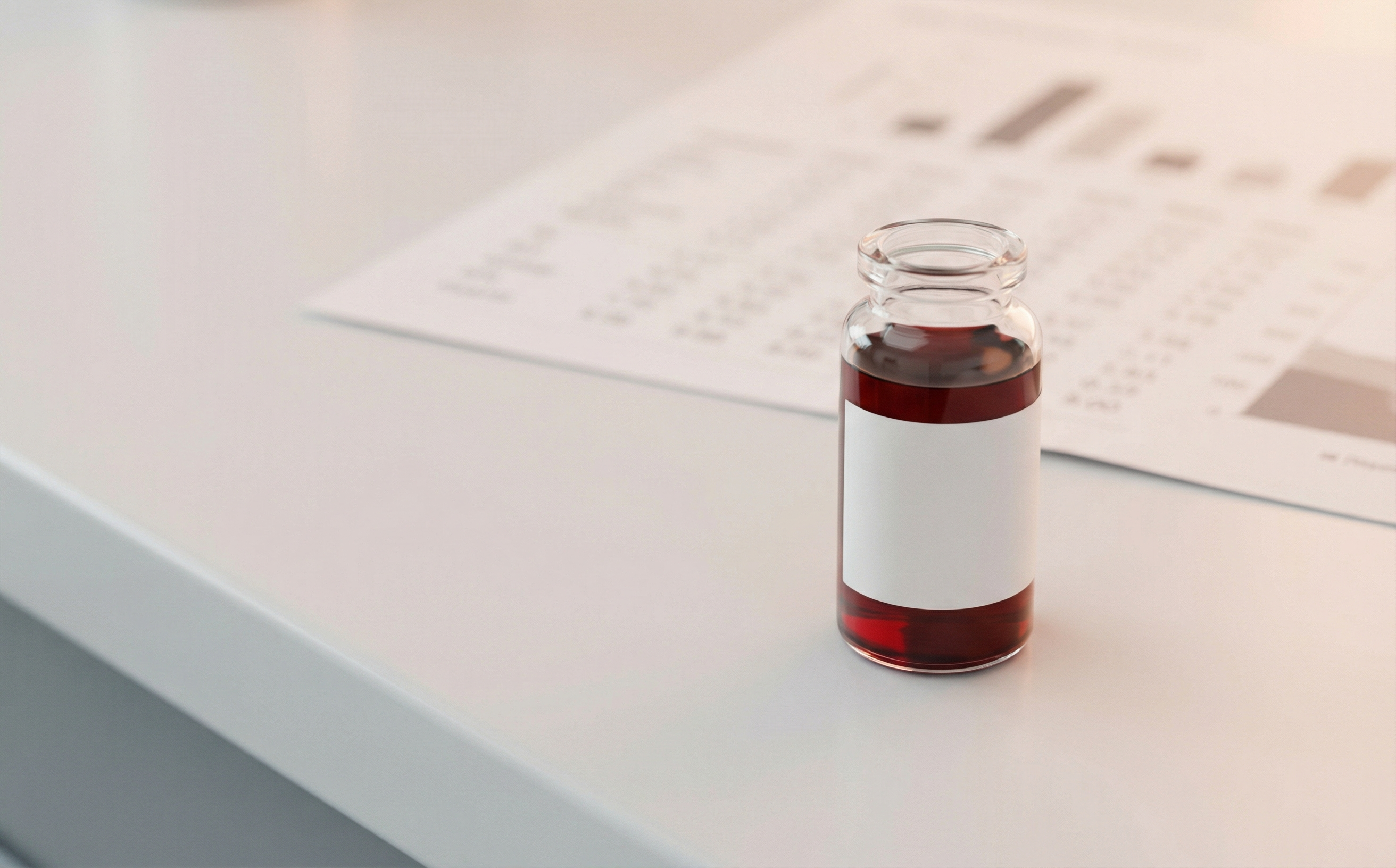
Ask for a fasting insulin test. That's it. It's a simple blood draw, inexpensive, and available at virtually any lab.
Most doctors won't refuse the request — they just don't think to order it routinely for cancer survivors. You may need to ask specifically.
Once you have the number, you have a starting point. And the interventions that move it are not obscure or extreme:
- Regular sleep with consistent timing
- Daily movement and structured exercise
- Stress management practices
- Morning natural light exposure
- Meals built around vegetables, healthy fats, and adequate protein
- Spacing meals with clear breaks — no constant grazing
These aren't theoretical. They are the same changes that lower inflammation, support immune function, and improve quality of life after cancer. Fasting insulin is simply the number that lets you track whether they're working at a metabolic level.
The Bottom Line
Your follow-up scans and standard blood work are important — but they're not the full picture. Fasting insulin reveals something most routine tests miss: whether your internal environment is quietly promoting growth or actively supporting repair.
It's a single blood test. It's modifiable. And for cancer survivors, it may be one of the most underused tools available.
Your choices are making a difference — even when you can't see it yet. Your body is remarkably forgiving when given the right conditions.
I'm a biochemist and registered dietitian, but I'm not your dietitian. This article is for educational purposes only. Always review your results with a qualified healthcare professional who knows your unique situation.