Vitamin D is the only supplement with robust human evidence showing improved survival across multiple cancers. Daily supplementation that maintains blood levels above 100 nmol/L reduced total cancer mortality by 15% in large-scale randomized controlled trials. But vitamin D doesn't work as a magic pill — and three other supplements come remarkably close to meeting the same standard. Here's the full picture, the science behind each one, and the strategy that actually makes them effective.
What Does "Fight Cancer" Actually Mean for a Supplement?
Before anything else, we need to set a standard — because the internet has no filter.
A supplement doesn't earn the label "cancer-fighting" just because it kills cells in a petri dish or because someone online said it helped. To qualify, it has to meet four criteria:
- Evidence in humans — not just lab dishes or animal models
- Scientifically strong results — repeatable and reliable by modern standards
- Safe alongside conventional treatment — not quietly reducing its effectiveness
- Proven to improve survival when added to standard cancer therapy, across multiple major cancers
When you apply these filters honestly, the long list of trending supplements narrows fast. Four stand out. Only one crosses the finish line.
What Are We Actually Trying to Fix?
If there's one recurring theme across almost every type of cancer, it's this: cells that stop behaving like mature, cooperative tissue and start acting like primitive growth machines.
Healthy cells produce energy cleanly and efficiently. Cancer cells switch to a fast, messy system — the Warburg effect — fueled by an unlimited draw on glucose and glutamine. This deranged metabolism creates an acidic shield around the tumor that suppresses immune attack, interferes with therapy, and contributes to treatment resistance.
Every supplement worth discussing has to address some part of this picture: the immune suppression, the inflammatory environment, the metabolic chaos, or the growth signaling that keeps tumors alive.
Contender #1: Turkey Tail (PSK)
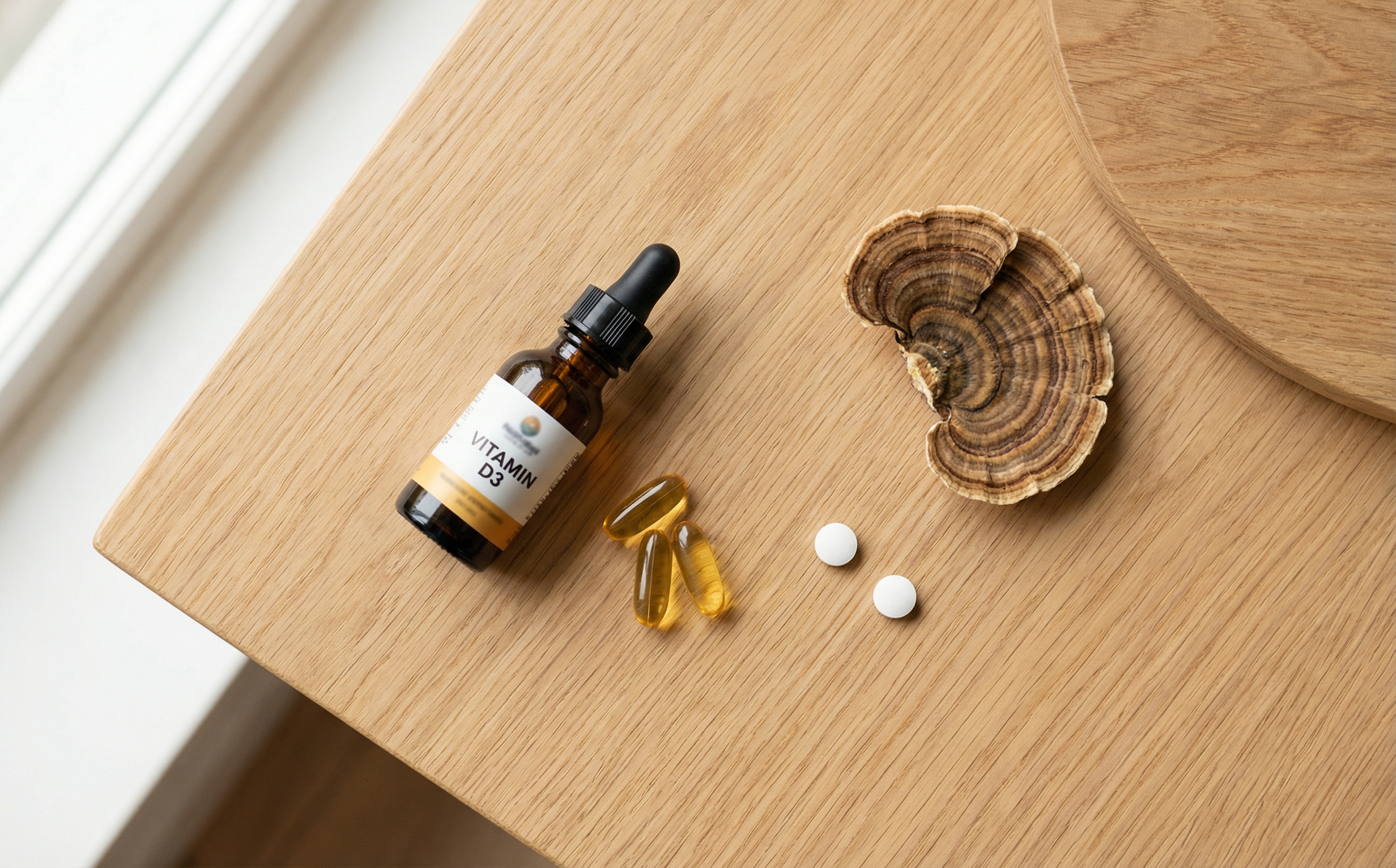
Turkey tail mushroom — specifically its extract polysaccharide K (PSK) — has been used alongside chemotherapy and radiation in East Asia for decades. In Japan, PSK is an officially approved product used to treat cancer alongside conventional therapy.
What it does: PSK enhances natural killer cells, cytotoxic T cells, and macrophages — key immune cells in cancer defense. It also opposes the immune paralysis that tumors create around themselves. Long-term follow-ups suggest improved survival in colorectal, gastric, and lung cancers, and it appears safe and synergistic with treatment.
Where it falls short: Most clinical trials were not blinded, which is a serious limitation in modern evidence. Lack of blinding increases the risk of bias across symptom improvement, immune markers, and even survival outcomes. Most studies were also conducted in a single geographic region, sometimes using older chemotherapy protocols.
Verdict: PSK doesn't meet the full standard yet. But it stands closer to it than almost anything else studied. Its strength is in human data, safety, immune-based mechanisms, and consistent results in gastrointestinal cancers. Its weakness is trial design.
Contender #2: Omega-3 Fatty Acids (EPA and DHA)
Before discussing omega-3, we need to talk about cachexia — a condition affecting nearly 50% of all cancer patients. It's characterized by ongoing weight loss, especially from muscle tissue, that can't be reversed by eating more. Cachexia reduces treatment tolerance, increases chemotherapy toxicity and side effects, and is associated with shorter survival in 20% of those who experience it.
What omega-3 does: Large meta-analyses show benefits for weight stabilization and muscle preservation during cachexia, improved chemotherapy tolerance, and better quality of life. Omega-3 shifts inflammatory signaling away from tumor-promoting pathways and toward resolution — meaning the body becomes better at shutting inflammation down instead of keeping it constantly active.
One of its most interesting mechanisms works almost like a Trojan horse: EPA and DHA integrate into cancer cell membranes and disrupt the platforms where growth factor receptors cluster together, weakening the constant growth signal.
Where it falls short: Survival benefits are variable. Effects on inflammation and cachexia are consistent, but omega-3 doesn't reliably improve survival on its own.
Verdict: Not the single cancer-fighting supplement, but one of the most rational and clinically supportive tools alongside conventional therapy. Its system-wide support — reducing inflammation, preserving muscle, improving resilience — earns it a serious place in the conversation.
Contender #3: Melatonin
Melatonin was studied in oncology long before it became a mainstream sleep supplement. It remains one of the most fascinating and underestimated molecules in cancer research.
What it does: Melatonin has an extraordinary range of action. It interferes with cancer cell division, reduces oxidative stress, interrupts the Warburg effect, and enhances healthier energy production. Few molecules influence so many cancer-relevant pathways at once.
Its most striking effect: melatonin interferes with both of cancer's primary fuels — reducing glucose utilization while also disrupting glutamine metabolism. This may help shrink the acidic shield around tumor cells. At the same time, it protects healthy cells from oxidative and treatment-induced damage, which explains why patients receiving melatonin often tolerate chemotherapy and radiation better.
Blood levels of melatonin decrease significantly with age. The highest dietary amounts are found in pistachios.
Where it falls short: A 2025 meta-analysis reviewing 30 randomized controlled trials with over 5,000 participants concluded that while signals are promising, the evidence remains too uncertain to claim a survival benefit by modern standards. Many studies are older, small, and unblinded.
Verdict: In terms of biology, every cancer patient or survivor should consider melatonin as part of their strategy. The mechanism is real. The safety profile is strong. The survival proof just isn't definitive yet.
The Winner: Vitamin D
Vitamin D is actually a hormone — and because of that, it works across multiple systems simultaneously, much like melatonin. It is deficient in most people.
What it does:
- Promotes differentiation — pushing cells toward mature, cooperative behavior instead of primitive growth
- Pushes damaged cells toward programmed death (apoptosis) instead of endless replication
- Interferes with the deranged energy production that tumors depend on
- Enhances anti-tumor immune responses
- Reduces inflammatory signaling that fuels metastasis
The evidence: The strongest data comes from a large-scale meta-analysis of randomized controlled trials published in Annals of Oncology. Across studies with follow-up periods of 3 to 10 years, daily vitamin D supplementation that maintained blood levels above 100 nmol/L reduced total cancer mortality by 15%. That is not a subtle effect.
Critical nuances:
- Benefits were seen with daily dosing only — not large weekly or monthly boluses
- Toxicity is rare but possible with excessive levels; according to the Endocrine Society, toxicity rarely occurs below 375 nmol/L, leaving a wide safe margin when monitored
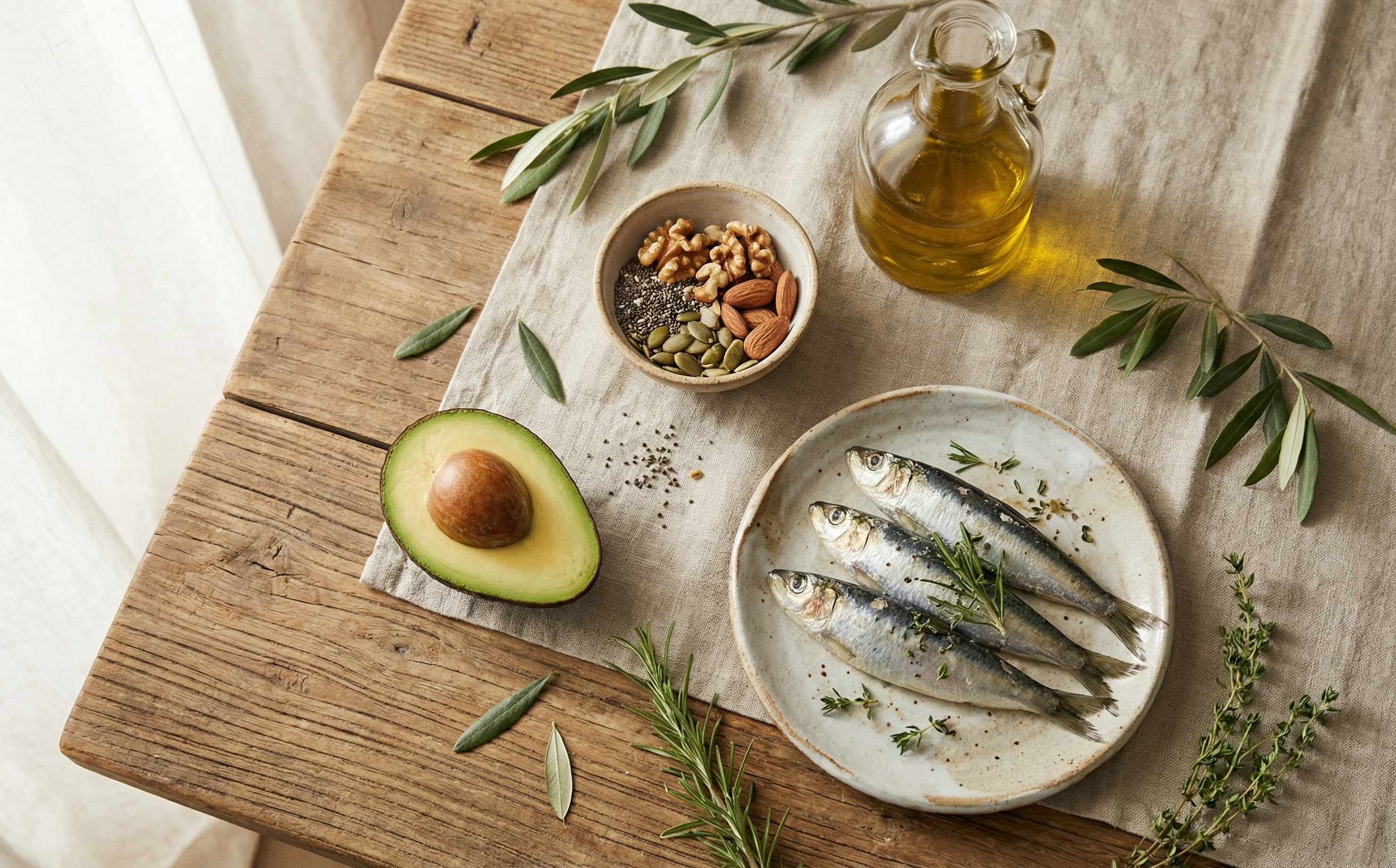
- Dietary sources include UV-irradiated mushrooms, fish, and fortified foods
Score against our criteria:
- Human evidence? Large clinical trials, well-designed, repeatable.
- Safety? Excellent when dosed correctly.
- Survival impact across cancers? Consistent and meaningful.
Vitamin D is the only supplement that meets the full standard.
The Strategy That Makes Supplements Actually Work
Here's where most people go wrong. They look for the one pill that does everything.
Vitamin D earned the survival title — but even vitamin D wasn't proven to prevent cancer on its own. That's not because it doesn't protect against cancer. It's because clinical trials isolate a single factor, and biology doesn't work in isolation.
Vitamin D alone cannot reverse insulin resistance, chronic inflammation, immune suppression, circadian disruption, or poor metabolic health. It works as part of a system.
Cancer prevention and recovery depend on two deeply interconnected systems functioning in balance: hormonal regulation and a competent immune system. Vitamin D supports both — but so do melatonin (circadian signaling, immune coordination), omega-3 fats (inflammation resolution, immune cell function), and PSK (direct immune enhancement).
And even all four together aren't enough without the right diet. And diet isn't enough without lifestyle — daily habits that shape hormones, metabolism, inflammation, and immunity. Sleep. Movement. Stress management. Light exposure. The foods you build meals around.
Supplements don't replace these foundations. They amplify them.
The Bottom Line
When you hold supplements to a real standard — human evidence, scientific strength, safety with treatment, and measurable survival impact — the field narrows to vitamin D as the clear leader, with omega-3, melatonin, and turkey tail PSK earning serious supporting roles.
But none of them work as isolated magic pills. The strategy that makes them effective is the same one that makes recovery sustainable: conventional therapy combined with metabolic, hormonal, immune, and lifestyle optimization working together.
That's not alternative medicine. That's the future of cancer care.
I'm a biochemist and registered dietitian, but I'm not your dietitian. This article is for educational purposes only. Any supplement discussed here should always be considered with your oncologist.